Back to Blog

CORE3 x Trading Strategy partnership: risk-benchmarked yield comes to DeFi

by Dmytro Zap
3m

Intro

CORE3's Probability of Loss now integrates with Trading Strategy (TradingStrategy.ai), the analytics layer for on-chain yield, providing a standardized loss signal for issuing protocol alongside the APY for the first time. The partnership lets allocators view potential returns and the project-level Probability of Loss in a single view, rather than inferring risk from whichever number is biggest on the page.

What is Trading Strategy?

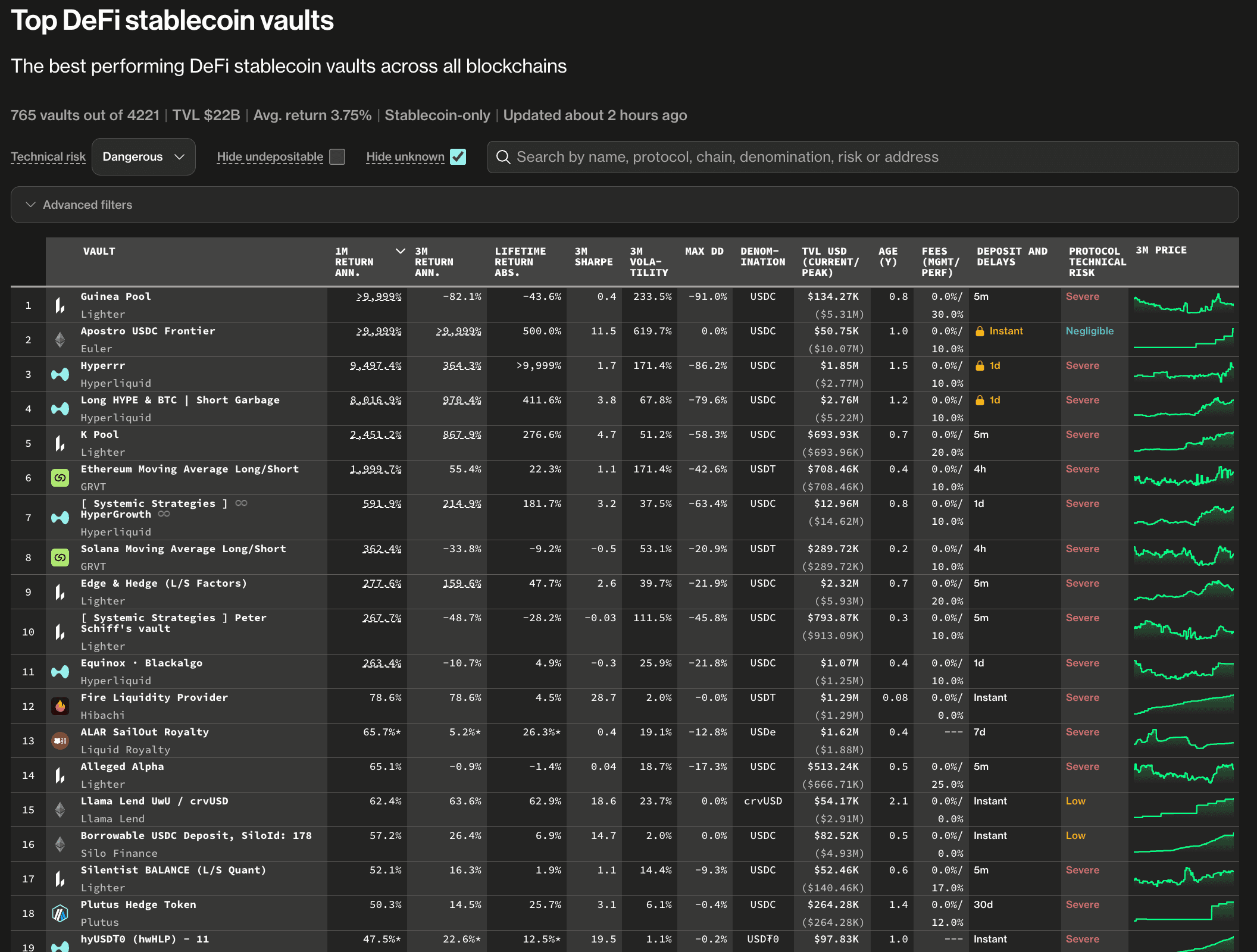
Trading Strategy (TradingStrategy.ai) is a platform for DeFi vault and investment opportunity analytics. Currently, Trading Strategy lists 4000+ vaults, with professional metrics for capital allocators covering 100+ curators, 50+ protocols, and 25+ blockchains. With better data and comparable risk- and fee-adjusted returns, investors can discover new opportunities and make decisions suited to their risk appetite. 

Trading Strategy AI x CORE3.webp

How does the Probability of Loss Web3 risk benchmark complement DeFi yield data?

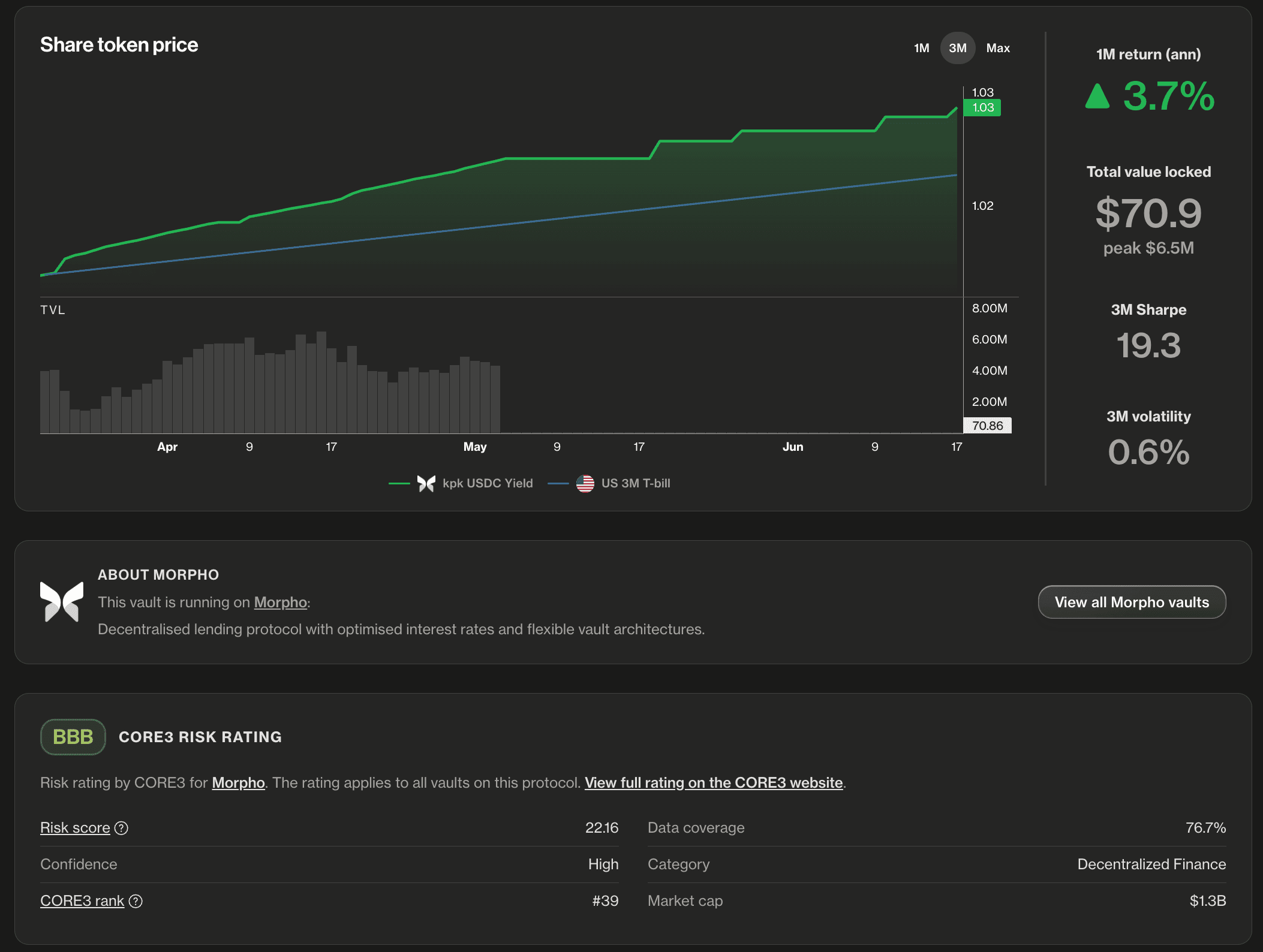
Probability of Loss (PoL) adds context to yield data by scoring the vault-issuing protocol across risk management parameters across 6 surfaces where most exploits, drains, and collapses originate, including key management, on-chain monitoring, insurance, and more.

PoL is a standardized risk index from 0 to 100, built by CORE3, a global risk infrastructure layer for Web3. It estimates the likelihood that a Web3 entity will fail or cause user loss. The index is computed from public data and decomposed into six weighted domains.


image.png

PoL was built from documented Web3 failures. The missing risk-management controls that enabled each exploit were distilled into 85+ parameters. A lower score indicates stronger posture; a higher score indicates that observable failure conditions are present now.

While Trading Strategy already scores on-chain security of the vault (protocol-level risk), PoL covers the risk exposure of the issuing project itself across the six domains:

  • Security (Audit, bug bounty, on-chain monitoring…)
  • Operational (key management, development, certification…)
  • Financial (treasury quality, revenue, yield sustainability…)
  • Dependency (bridges, oracles, infrastructure providers, custodians…)
  • Regulatory (license, jurisdiction, KYC/KYT, disclaimers…)
  • Reputational (past incidents, social media fraud, fake metrics…)

This way, the allocating party can compare the risk of the vault itself to the risk exposure of the issuing project, to mitigate cases of allocations to sound vaults of unsafe projects with a high likelihood of exploitation. 

How does your vault allocation change with deeper risk data?

CORE3’s Probability of Loss risk indexes for supported projects appear in Trading Strategy's interface, alongside the existing yield and performance metrics. Trading Strategy's returns and volatility data tell how profitable strategies' vaults run.. PoL adds broader context: the likelihood that the issuing project will fail or be exploited due to financial, operational, dependency, regulatory, or reputational factors. 

An allocator reading both sees the return and the standardized probability of loss in one view, rather than treating a high APY as evidence of anything other than a high APY.

Vault-risk = if the vault is built securely on-chain.

Probability of Loss = the chance that the vault-issuing protocol will face an adversary event on risk surfaces of operations, treasury/yield design, dependencies, governance, reputation.

For years, on-chain yield has been screened on returns and the trust profile of the protocol offering it. Now it changes with risk infrastructure, adding objective risk exposure to metrics that substituted it before: TVL, issuer reputation, and yield.

core3.io